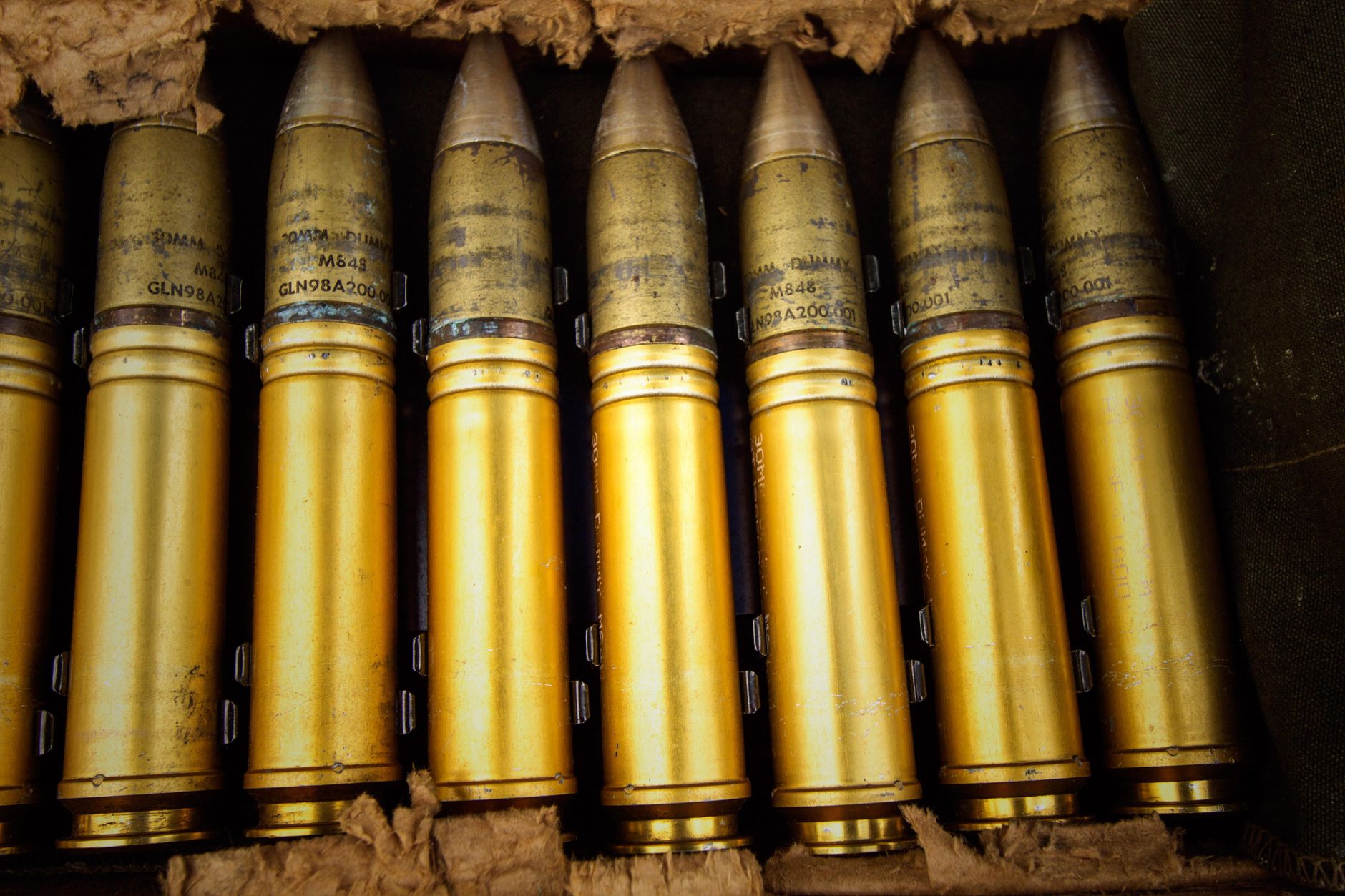
Key Takeaway: Match the caliber stamped on your firearm, choose your bullet type based on purpose (FMJ for practice, JHP for defense, soft-point for hunting), and always function-test any load you plan to rely on before buying in bulk or trusting it in a critical situation.
How to Choose Your First Ammunition
Start with one question: what is the ammo for? Range practice, hunting, and self-defense each call for different bullet designs and price points. Get the purpose right first, then match caliber to your firearm and choose the bullet type that fits the job — that simple sequence prevents 90% of beginner mistakes.
Match Ammo to Purpose
Ammo choices fall into three clear categories:
- Range and practice — inexpensive, reliable full metal jacket (FMJ) loads. Good for developing fundamentals and getting volume practice without high cost.
- Hunting — expanding or soft-point bullets designed to deliver controlled energy transfer for humane kills. Shot placement still matters most.
- Self-defense and home protection — jacketed hollow points (JHP) or other expanding projectiles that reduce over-penetration and transfer energy effectively at close range.
Your intended use drives every other choice: caliber, bullet type, grain weight, and whether you buy brass- or steel-cased ammo.
Caliber Compatibility and Safety
Never load ammunition into a firearm unless the caliber matches exactly what is stamped on the barrel and listed in the owner's manual. Common calibers for new shooters include 9mm Luger, .380 ACP, .40 S&W, and .45 ACP for pistols; .223 Rem / 5.56 NATO and .308 Win for rifles; and 12 gauge for shotguns.
Important: Some cartridges look similar but differ in pressure. A firearm marked for 5.56 NATO will generally accept .223 Remington, but a firearm marked only for .223 Remington may not be safe to run with higher-pressure 5.56 NATO ammunition. When in doubt, check the manufacturer's guidance.
Bullet Types Explained
- FMJ (Full Metal Jacket): A lead core with a harder metal jacket. Reliable for range use, excellent feeding, and generally the least expensive option.
- JHP (Jacketed Hollow Point): Designed to expand on impact, improving stopping power and reducing over-penetration. The standard for defensive carry ammunition.
- Soft-Point / Spitzer: Used in hunting rifle ammunition to provide controlled expansion and effective energy transfer on game.
- Wadcutter: Flat-front bullets that punch clean, easy-to-score holes in paper targets. Common in target shooting competition.
Brass vs. Steel Cases
Brass cases are reloadable, reliable in extraction, and the industry standard for quality commercial ammunition. They're the right choice if you reload or want the most consistent option.
Steel cases are cheaper but not reloadable, and can be harder on extractors over time. Some indoor ranges ban steel-cased ammo because it's more abrasive and leaves different residues. Check your range's rules before purchasing steel-cased ammunition.
Grain Weight, Velocity, and What They Mean
Grain weight describes how heavy the bullet is. Lighter bullets generally have higher velocities and flatter trajectories for a given cartridge; heavier bullets carry more momentum and may perform better at distance or on game. Common 9mm bullet weights are 115, 124, and 147 grains. Try a few different weights in your specific firearm — accuracy varies by platform.
Reading the Box
Every box of commercial ammunition includes the caliber designation, bullet type (FMJ, JHP, SP), bullet weight in grains, muzzle velocity in feet per second, round count, and the manufacturer's lot number. Muzzle velocity figures are measured in test barrels and will vary depending on your barrel length.
Corrosive Primers, Lead-Free Loads, and Indoor Range Rules
Modern commercial ammunition rarely uses corrosive primers, but older military surplus ammo sometimes does — corrosive primers require thorough bore cleaning after use. Many indoor ranges prohibit steel-cased, steel-core, or high-velocity ammunition. Always check your range's rules before purchasing a large quantity.
Reliability Testing: Buy Small Before You Buy Bulk
Even top-brand ammunition can feed differently in different firearms. Before buying defensive ammo in bulk, purchase a box or two and run a function test from your normal carry or shooting position. Reliability under real conditions matters more than advertised velocity numbers. Test before you trust.
Legal Considerations and Storage
Some jurisdictions restrict the purchase, transport, or storage of certain ammunition types — armor-piercing, hollow points (in a few states), or large-quantity purchases. Check your local laws. For storage, keep ammunition cool and dry in an airtight container with a desiccant pack. Properly stored ammunition can last decades.
Beginner Checklist: Before You Buy
- Does the caliber on the box match the caliber stamped on your firearm?
- Is this ammunition appropriate for your intended purpose (range, defense, or hunting)?
- Does your local range allow this type (steel-cased, high-velocity, specific projectiles)?
- Do you understand the round count and price per round?
- Are you buying brass (reloadable) or steel (cheaper but disposable) cases?
- Have you tested this load in your specific firearm before relying on it?
Frequently Asked Questions
Can I use any 9mm ammunition in my 9mm pistol?
Any standard 9mm Luger (also labeled 9x19mm) ammunition will fit, but not all will perform the same in your specific pistol. Heavier bullets (147gr) can cycle differently than lighter ones (115gr) in some platforms. Function-test any new load before trusting it.
What's the difference between +P and standard ammunition?
+P ammunition is loaded to higher-than-standard pressure for increased velocity and terminal performance. It can be used in firearms rated for +P, but it produces more recoil and wear over time. Check your owner's manual to confirm whether your firearm is rated for +P before using it.
How much practice ammo should I buy?
For a new shooter, 200–500 rounds of practice FMJ is a reasonable starting quantity for a range session or two. Once you know what your firearm feeds reliably, buying in bulk (500–1,000 rounds) is usually more cost-effective per round.
Is online ammo purchasing legal?
In most U.S. states, adults can purchase ammunition online and have it shipped to their home address. Some states (California, New York, Illinois, and others) have additional requirements — background checks, in-store pickup, or licensed dealer transfers. Check your state's specific laws before ordering.