Key Takeaway: The most important hunting essentials for the 2026 season break into three groups — quality optics and a reliable scope, layered clothing built for silence and weather, and the navigation and processing tools that keep you safe and effective once you're miles from the truck.
1. Optics: Your First and Best Investment
Good optics extend your decision window and reduce unnecessary movement. A quality pair of binoculars lets you pick apart a herd, read animal behavior, and identify a broadside target without raising your rifle or making noise. High-contrast 10x42 binoculars are the workhorse for most hunting situations — light enough to carry all day, powerful enough to glass at serious distance. Pair them with a compact tripod adapter for dawn-to-dusk glassing sessions.
2. A Rugged, Reliable Riflescope or Bow Sight
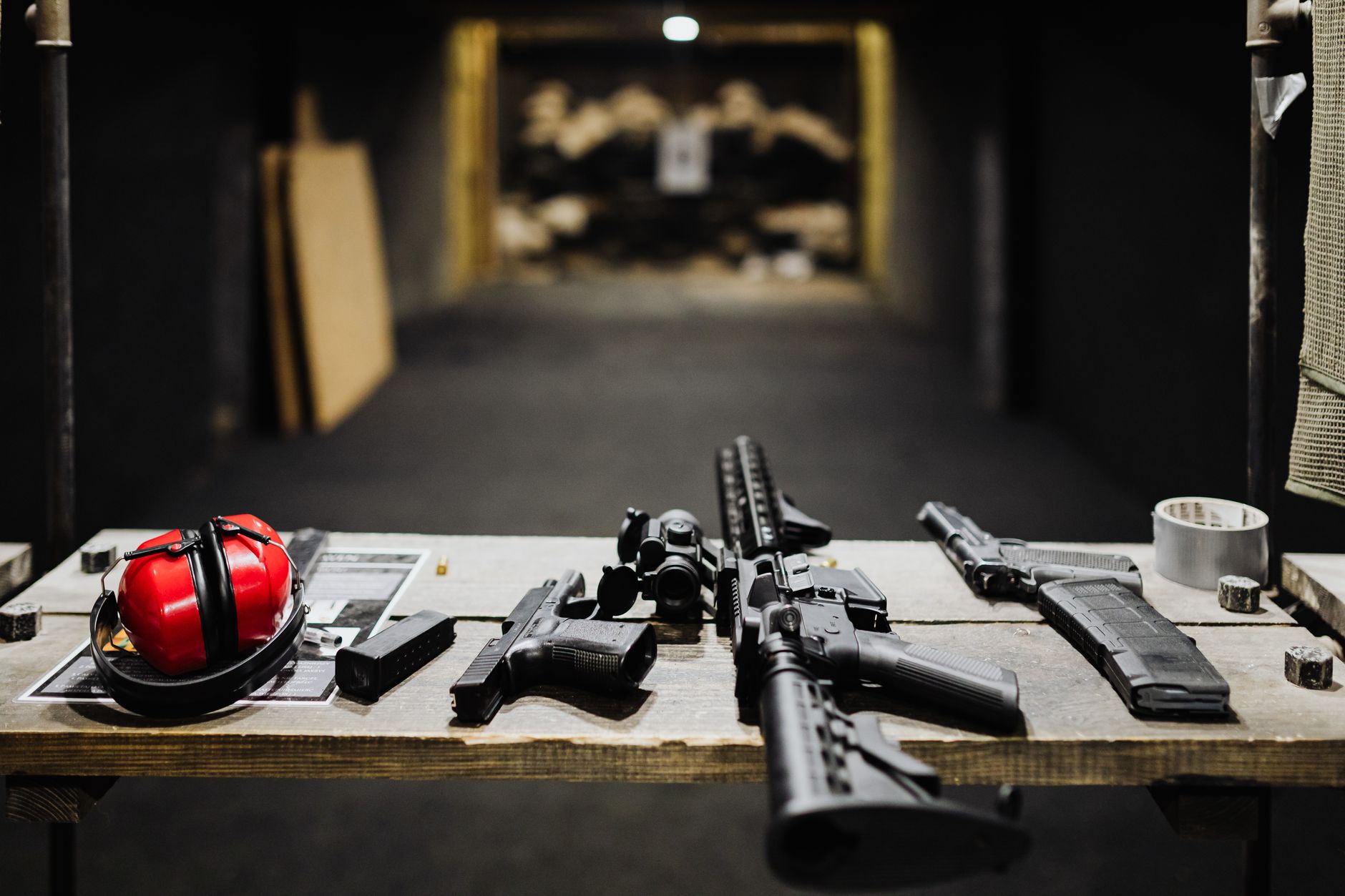
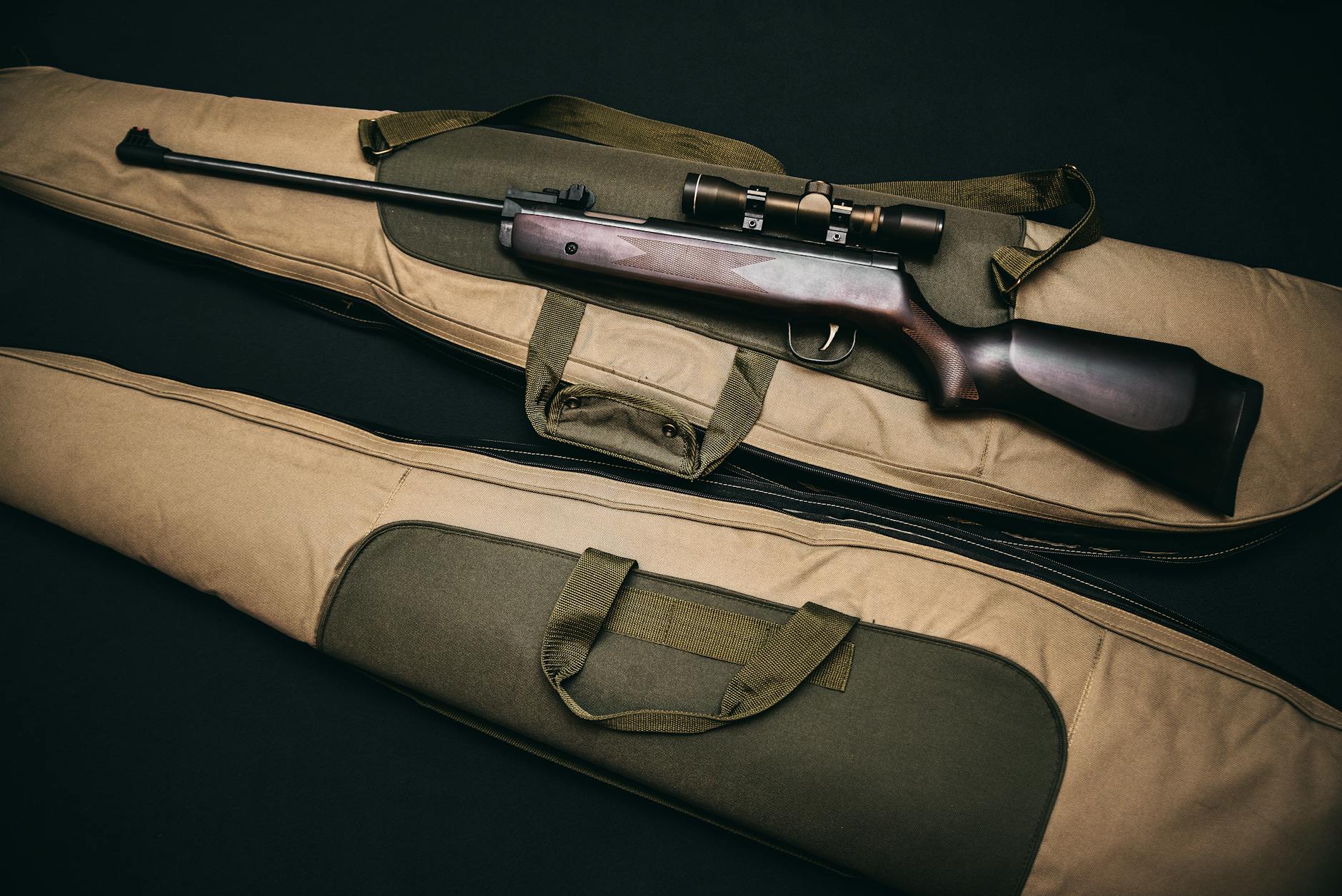
When the shot window opens you need a scope that holds zero and presents a clean reticle in low light. A first-focal-plane (FFP) reticle handles ranging at any magnification setting; an illuminated reticle makes the difference at first light and last legal shooting light. If you hunt with a compound bow or crossbow, prioritize repeatable sights with a well-tuned rest — consistent anchor points matter more than technology.
3. Layered Clothing: Silent, Insulating, Breathable
Weather is the one thing no hunter controls. The system that works: a moisture-wicking base layer, an insulating mid-layer (down for dry cold, synthetic for wet conditions), and a weatherproof outer shell with quiet fabric. Many modern hunting garments borrow tactical construction — reinforced seams, whisper-quiet material, and smart pocket placement — that makes them ideal for both backcountry and tree-stand use.
4. Boots Built for Your Terrain
Choose between lightweight hikers and insulated waterproof boots based on terrain and expected temperatures. Moisture-wicking socks are non-negotiable — blisters and numb toes end hunts faster than any misfire. Break in new boots with several miles of loaded hiking before the season opener, not the morning of.
5. Navigation: GPS, Maps, and a Compass
Smartphones are convenient but unreliable in the backcountry — battery life collapses in cold weather and reception disappears in remote terrain. A dedicated handheld GPS with downloaded topographic maps and multi-day battery life is one of the best hunting investments available. Mark access routes, favorite blinds, water sources, and exit points before you leave the truck. Always carry a paper topo map and compass as backup.
6. A Quiet Pack That Carries Everything
A hunting pack needs accessible compartments for calls, hydration, a first-aid kit, and your tags while keeping load weight close to your spine. Compression straps, a padded hip belt, and reinforced harness straps matter more than aesthetics. Quiet fabrics and silent zipper pulls are worth the premium — nylon rustle has cost more than a few close encounters.
7. Rangefinder: Precision in a Pocket
A laser rangefinder removes doubt from distance estimation when seconds matter. Look for solid low-light performance, angle compensation for steep terrain, and fast target acquisition. Paired with quality optics, a rangefinder immediately sharpens ethical shot selection — you'll know exactly when to squeeze and when to pass.
8. Calls, Decoys, and Scent Control
A reliable slate call or mouth call, compact decoys for species that respond to them, and a disciplined scent-elimination routine (scent-free soaps, sealed storage, constant wind awareness) are the three pillars of close-encounter hunting. Practice your calls off-season so they sound natural when it counts. Scent discipline is often the difference between a blank day and a buck at 30 yards.
9. Safety Gear: First Aid, Blaze Orange, and Legal Essentials
Carry a first-aid kit sized for cuts, sprains, and bleeding control. Add a blaze-orange vest for firearm seasons (requirements vary by state — check regulations), and keep all required licenses and tags accessible. For backcountry hunts, a compact satellite communicator is one of the best insurance policies available; PLBs and two-way communicators are smaller and more affordable than ever.
10. Field Processing: Knives, Tools, and Game Bags
A sharp, dependable field knife is often the most-used tool of the season. Pair it with nitrile gloves, quality game bags, and a compact sharpener. For backcountry hunts where you'll quarter animals, add a bone saw and a lightweight scale for weight estimates. Good processing gear speeds the job, reduces waste, and makes a long pack-out significantly more manageable.
Pre-Season Prep: Build the Habits Before Opening Day
Gear is only as good as your preparation. Break in boots with loaded hikes, zero your scope at the expected shooting distance, download topo maps and mark waypoints, and run through your pack organization once before you rely on it under pressure. Practice minimal-noise movement: straps cinched, zippers closed, and calls stashed until you need them. Layering transitions and scent discipline should become muscle memory.
- Plan your approach: Identify prevailing wind and glass the area before you move.
- Keep optics accessible: Binoculars on a chest harness mean you'll actually use them.
- Check batteries: GPS, rangefinder, and headlamp batteries before every outing.
- Practice ethical shot selection: If conditions don't give you a clean, humane opportunity, wait for a better one.
Frequently Asked Questions
What's the most important piece of hunting gear to buy first?
Optics. Quality binoculars improve your ability to locate, evaluate, and decide on game before you ever raise your rifle — and they work for every hunt you'll ever take. Good glass lasts decades.
How much should I budget for hunting boots?
Plan on $150–$300 for a reliable pair matched to your terrain and season. Fit matters more than brand — a well-fitted mid-range boot outperforms a poor-fitting premium one every time.
Do I need a dedicated GPS if I have a smartphone?
For casual hunts near roads and with good cell coverage, a smartphone can work. For serious backcountry situations, a dedicated GPS with downloaded topo maps and multi-day battery life is the reliable choice — phones fail in cold weather and remote areas when you need them most.
What's the minimum blaze orange requirement for deer hunting?
Requirements vary by state and season — most states with firearm whitetail seasons require 400–500 square inches of blaze orange on the upper body. Always check your state's specific regulation before heading out.